
Highly rated
Document Storage
Secure Storage with 24 hour CCTV
- Various storage sizes available to suit your needs
- Dry Storage - All year round weather protection
- Access your storage units 24 hours a day

Highly rated
Student Storage
Secure Storage with 24 hour CCTV
- Secure facility with 24 hour CCTV
- Various storage sizes available to suit your needs
- Dry Storage - All year round weather protection
- Access your storage units 24 hours a day
Request A Call Back NOW!!!
Trusted by industry leaders.
Practical Business Storage with Low Cost Container Self Storage
FROM
£19.99/week
Call 0203 011 1561 for safe & dry document storage
The storage solution for you.
Finding the right storage unit shouldn’t be complicated.
Low Cost Container Storage makes it easy to store what you need, when you need it, without the high price tag.
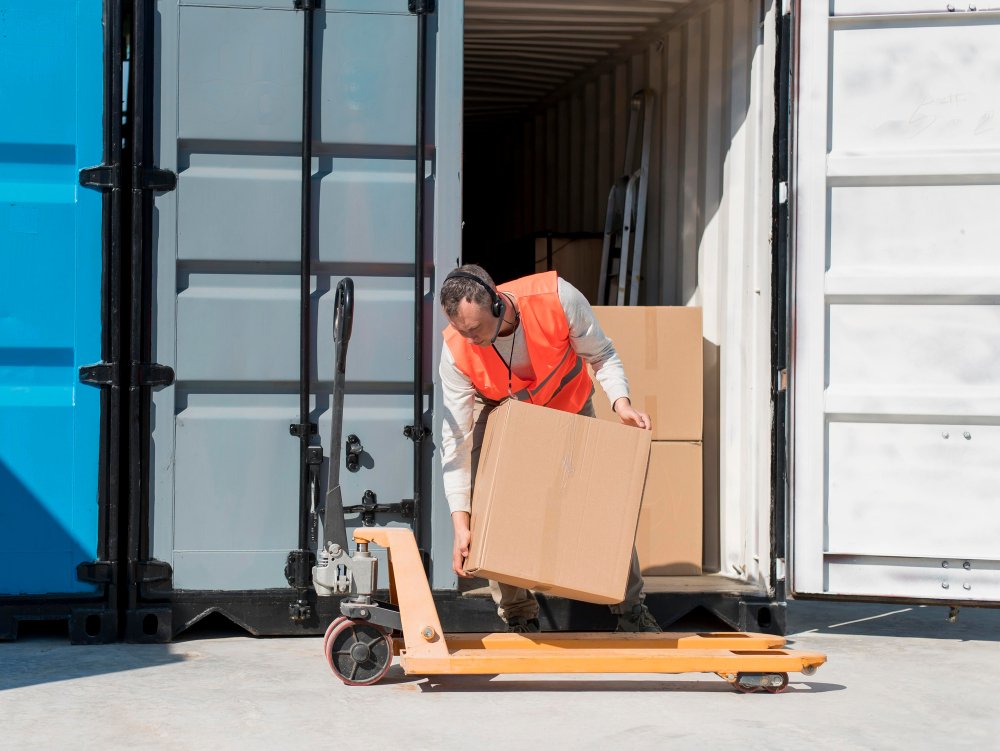
Safe, Secure and Storage
Finding reliable document storage can help businesses keep important records organised while freeing up valuable office space.
Paperwork can build up quickly. Archived files, completed project records, financial paperwork, manuals, historical documents and other business materials may need to be retained even when they are no longer required every day.
At Low Cost Container Self Storage, businesses can use suitable container storage for appropriate documents and archived materials that do not need to remain in the workplace.
Whether you are reorganising an office, moving premises, reducing clutter or managing growing archives, document storage can provide additional space while helping you keep business records better organised.
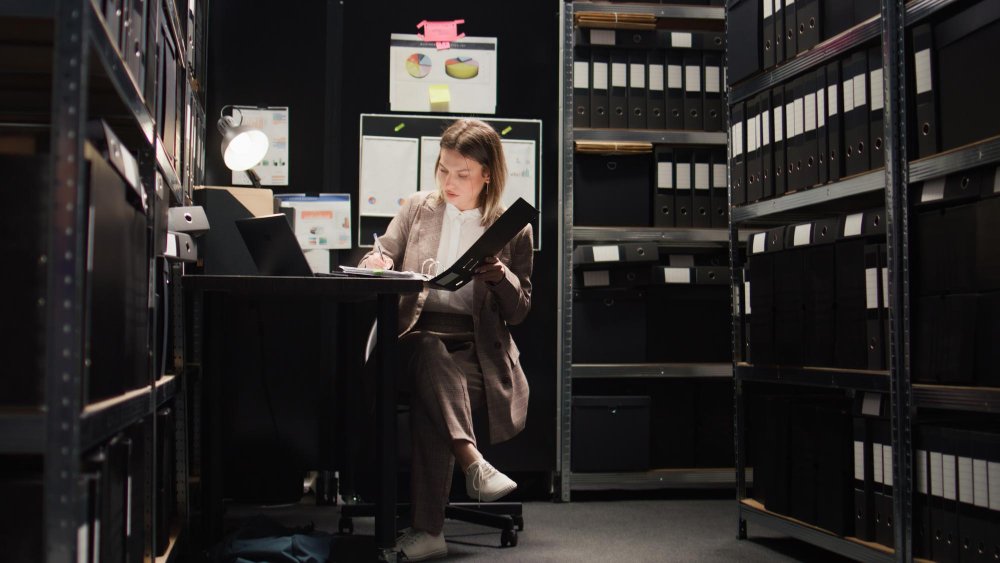
What Is Document Storage?
Document storage refers to keeping business paperwork, files and archived records in a dedicated storage space away from your everyday working environment.
For many organisations, documents accumulate gradually over time.
Filing cabinets fill up, archive boxes appear in spare offices, and cupboards that were once used for everyday supplies become permanent storage areas.
Using business document storage can help separate active records from older materials that are still required but are accessed less frequently.
Businesses may use document storage for:
- Archived paperwork
- Completed project files
- Historical business records
- Manuals and reference materials
- Non-sensitive administrative documents
- Printed marketing materials
- Old office files
- Business correspondence
- Archived reports
- Retained paperwork
The exact storage requirements will depend on the type of documents involved and any legal, regulatory or internal policies that apply.
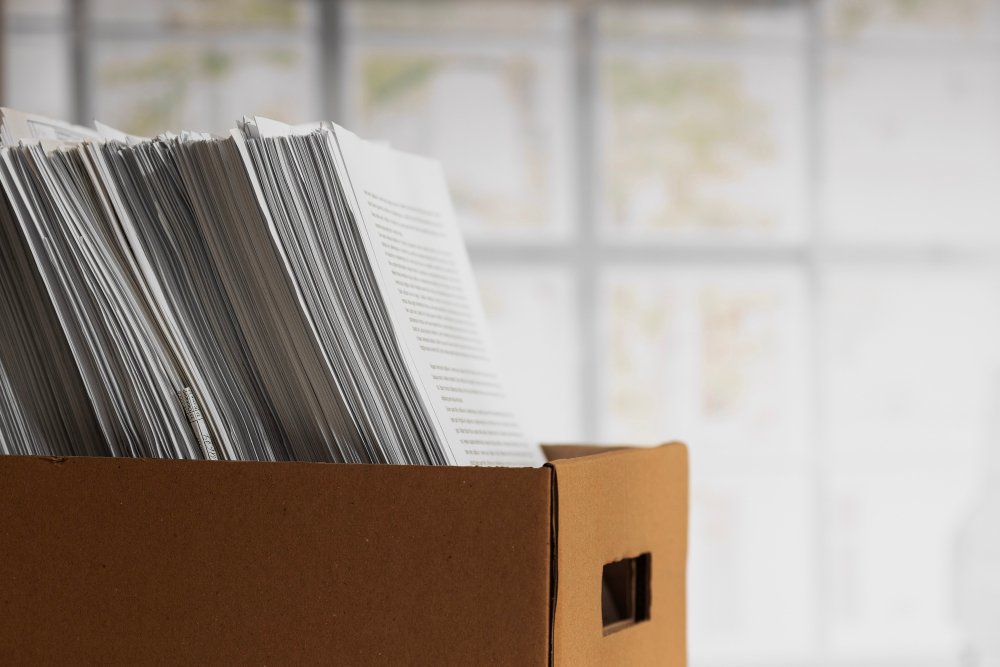
Why Businesses Need Document Storage
Office space is valuable.
Using large parts of your workplace for boxes of paperwork can reduce the room available for employees, equipment and everyday business activity.
Document self storage can help free up space by moving appropriate archived materials away from the main workplace.
This may be useful when:
- Filing cabinets are full
- Archive boxes are taking over spare rooms
- You are moving office
- Your business is downsizing
- You are reorganising departments
- Historical records need to be retained
- Paper files are rarely accessed
- You are converting office space to another use
Archive Document Storage
Many businesses generate records that remain relevant long after the original work has been completed.
These may include completed project documents, previous accounts, reference materials or other archived records.
Archive document storage can provide a dedicated place for these materials rather than allowing them to occupy everyday office space.
Before placing records into storage, organise them into clear categories.
For example:
- Financial year
- Department
- Client
- Project
- Document type
- Retention period
A clear archive structure can make future retrieval much easier.
Businesses should also maintain an inventory so they know exactly what has been stored and where it is located.
Business Document Storage for Growing Companies
As businesses grow, so can the amount of paperwork they produce.
A filing system that worked for a small organisation may become difficult to manage after several years of trading.
Older records can begin competing with current files for storage space.
Using business document storage can help growing organisations create additional capacity without allowing archived paperwork to dominate their workplace.
This can be particularly useful for:
- Growing professional services businesses
- Retail companies
- Contractors
- Small and medium-sized businesses
- Established organisations with historical records
- Companies moving towards more digital processes
Moving less frequently used records into suitable storage can create space for current business requirements.
Document Storage During an Office Move
Moving office is a good opportunity to review business records.
Relocating every archive box automatically may mean transferring years of paperwork that could be better organised first.
Before the move, divide documents into categories such as:
- Active records needed in the new office
- Archived records for storage
- Records requiring review
- Documents that can be securely disposed of in accordance with applicable requirements
Using document storage during an office move can reduce the volume of materials that need to be transferred directly into the new workplace. It can also help create a more organised filing system from the beginning.
Document Storage When Downsizing
Businesses moving into smaller premises may have much less room for filing cabinets and archive boxes.
That does not automatically mean every historical document can be discarded.
Some records may still need to be retained according to business, legal, regulatory or operational requirements.
Long-term document storage can provide additional capacity for appropriate archived materials while allowing the new workplace to remain focused on current operations.
Before storing records, review:
- Which documents still need to be retained
- How frequently they are likely to be required
- Whether any contain sensitive information
- What retention policies apply
- When records should next be reviewed
This helps ensure storage remains organised rather than becoming a permanent collection of forgotten paperwork.
Organising Documents Before Storage
Good organisation is essential for effective document storage.
If boxes are packed without a clear system, finding a particular record later can become unnecessarily difficult.
Start by sorting documents into logical categories.
Depending on your business, this could mean organising by:
- Year
- Department
- Client
- Project
- Record type
- Retention date
- Internal reference number
Each archive box should then be clearly labelled.
Avoid vague descriptions such as “old paperwork.”
Instead, use labels that make the contents immediately understandable, such as:
- Accounts 2024–2025
- Completed Projects – Department A
- Supplier Records
- Historical Marketing Materials
- General Administration Archive
A detailed inventory can provide an additional layer of organisation.
Creating a Document Storage Inventory
An inventory helps businesses know what is in storage without opening every box.
For larger archives, assign each box a unique reference number.
For example:
- Box 001 – Accounts – 2024
- Box 002 – Completed Projects – 2025
- Box 003 – Marketing Archive
- Box 004 – General Administration
The inventory can then record:
- Box number
- Contents
- Department
- Relevant dates
- Retention review date
- Storage location
This type of system can make document retrieval faster and reduce the risk of records becoming difficult to locate.
Long-Term Document Storage
Some records may need to be kept for extended periods.
Long-term document storage can help businesses retain appropriate archived materials without using valuable office space.
When storing documents for longer periods, organisation becomes particularly important.
Businesses should periodically review stored records to identify:
- Documents that still need to be retained
- Records that can be securely disposed of
- Boxes that need relabelling
- Changes to retention requirements
- Items that should be moved back into active use
Regular reviews help ensure long-term storage remains useful and controlled.
Short-Term Document Storage
There are also situations where businesses may only need document storage temporarily.
Short-term document storage can be useful during:
- Office moves
- Refurbishments
- Workplace reorganisations
- Temporary closures
- Department relocations
- Filing system changes
- Premises transitions
Once the project is complete, records can either return to the workplace or remain in longer-term storage depending on business requirements.
What Can You Put in Mobile Self Storage?
Storage requirements vary considerably.
Some people only need space for a few boxes, while others may want to store furniture or the contents of several rooms.
Common items placed into mobile self storage may include:
- Household furniture
- Boxes
- Clothes
- Books
- Kitchen equipment
- Office furniture
- Business equipment
- Tools
- Stock
- Sports equipment
- Seasonal belongings
- Decorative items
- Suitcases
- Household accessories
Before arranging storage, create a list of everything you plan to store.
This can help you estimate how much space you need and make packing more organised.
Document Storage During Office Renovations
Refurbishment work can require filing areas, cupboards and office rooms to be cleared.
Moving boxes repeatedly around the workplace can make the project more difficult.
Temporary document storage can provide somewhere separate for suitable archived files while work is being completed.
This may help:
- Clear rooms for contractors
- Reduce clutter during renovation
- Keep archived materials together
- Make reorganisation easier afterwards
- Avoid filling temporary work areas with paperwork
When records are returned, the business also has an opportunity to introduce a more organised filing system.
Free Up Office Space with Document Self Storage
Paper archives can consume more space than many businesses realise.
Rows of filing cabinets and stacks of archive boxes may occupy rooms that could otherwise support everyday operations.
Using document self storage for appropriate records can potentially free up space for:
- Additional desks
- Meeting rooms
- Staff areas
- Equipment
- Customer-facing areas
- Everyday supplies
- Improved office layouts
This can help businesses get more value from their existing premises without immediately increasing their property footprint.
Document Storage for Small Businesses
Small businesses often have limited office space.
A spare room or corner can quickly become filled with paperwork after only a few years of trading.
Small business document storage can provide extra capacity for suitable archived records while keeping current paperwork closer to hand.
This can help sole traders and smaller companies maintain clearer separation between:
- Active files
- Historical documents
- Business supplies
- Archived materials
Good organisation is particularly useful for smaller teams, where multiple people may need to understand the filing system.
Document Storage for Professional Businesses
Professional organisations may generate significant quantities of records over time.
Where appropriate and permitted by the organisation’s compliance requirements, external storage can provide additional capacity for archived material.
Businesses should carefully assess whether particular files are suitable for container storage.
Records containing personal, confidential, sensitive or regulated information may require specific levels of protection, access control, environmental conditions or specialist records-management arrangements.
The correct approach will depend on the documents and the legal or professional requirements that apply to the organisation.
Preparing Documents for Storage
Before putting paperwork into storage, take time to prepare it properly.
A simple process can include:
- Review all documents
- Separate active and archived records
- Remove duplicate or unnecessary paperwork where appropriate
- Follow relevant retention policies
- Use sturdy archive boxes
- Group similar records together
- Label every box clearly
- Create an inventory
- Record review or retention dates
- Arrange boxes in a logical order
Avoid overfilling archive boxes, as very heavy boxes can be difficult to move and stack safely.
Packing Documents for Container Storage Storage
When packing paperwork for container document storage, use suitable boxes that can support the weight of the contents.
Paper is surprisingly heavy, so smaller archive boxes can often be easier to handle than large containers.
Keep documents organised inside each box rather than mixing unrelated materials together.
Labels should remain visible when boxes are stacked.
If appropriate, group boxes by department, year or record type so related documents stay together.
Businesses should also consider the suitability of the storage environment for the specific records involved before placing documents into long-term storage.
Important Considerations for Confidential Documents
Not every document is suitable for general self storage.
Confidential, sensitive, personal or legally regulated records can have specific requirements governing how they are stored and protected.
Before moving records off-site, businesses should determine:
- Whether the documents contain personal data
- Whether regulatory requirements apply
- What level of physical security is required
- Whether specialist environmental conditions are necessary
- Who should be authorised to access the files
- How retention and destruction will be managed
Where specialist records management is required, businesses should use a storage solution designed to meet those specific requirements.
This helps ensure document storage is both practical and appropriate for the records being retained.
Document Retention and Regular Reviews
Storing documents does not mean they should remain in storage indefinitely.
Businesses should establish a review process based on their own retention policies and applicable legal requirements.
During each review, determine whether records should:
- Remain in storage
- Return to active use
- Be digitised where appropriate
- Be securely destroyed
- Be reclassified or reorganised
This can prevent unnecessary paperwork from accumulating over time.
It also makes better use of your available storage space.
Combining Digital and Physical Document Storage
Many businesses now use a combination of digital and physical records.
Digitisation can reduce the amount of paperwork that needs to remain physically accessible, but some documents may still be retained in their original format.
A balanced approach can involve:
- Keeping regularly used information digitally accessible
- Retaining required physical originals appropriately
- Moving suitable older documents into archive storage
- Maintaining a clear inventory of physical records
- Reviewing retention requirements regularly.
This can help businesses create a more organised records-management system.
Benefits of Business Document Storage
Using business document storage for appropriate archived records can provide several practical advantages.
It can help businesses:
- Free up valuable office space
- Organise archived records
- Reduce workplace clutter
- Support office moves
- Manage downsizing
- Clear premises during renovations
- Separate active and historical paperwork
- Create structured archive systems
- Improve visibility of retained documents
- Make better use of commercial premises
The most effective storage systems combine physical organisation with clear internal records-management procedures.
Choosing the Right Document Storage Solution
Before choosing storage, consider both the quantity and type of documents involved.
Ask:
- How many archive boxes need storing?
- How long will they need to remain in storage?
- How frequently will records need to be retrieved?
- Do any documents contain sensitive information?
- Are specialist storage conditions required?
- What retention requirements apply?
- How will the archive be organised and reviewed?
Answering these questions can help determine whether general container storage is suitable for the records concerned.
Affordable Document Storage with Low Cost Container Self Storage
When paperwork and archived materials start taking up too much workplace space, Low Cost Container Self Storage can provide a practical storage option for suitable business documents and non-sensitive archive materials.
Whether you are moving offices, downsizing, reorganising your workplace or simply looking to free up valuable room, document storage can help keep appropriate records organised away from everyday working areas.
By combining clearly labelled archive boxes with a detailed inventory and regular retention reviews, businesses can create a storage system that remains manageable over time.
For records containing sensitive, personal or regulated information, always confirm that the storage arrangement meets the specific legal, security and environmental requirements that apply.
Document Storage That Helps Keep Your Business Organised
Archived paperwork does not have to dominate valuable office space.
With a clear filing system and suitable storage, businesses can retain appropriate records while keeping their main workplace focused on current operations.
Low Cost Container Self Storage can provide additional space for suitable archived paperwork, office files and other non-sensitive business materials.
If you’re looking for affordable document storage, contact Low Cost Container Self Storage to discuss your requirements and determine whether container storage is suitable for the documents you need to retain.
How To Book
Whether you need short-term or long-term storage, we’ll help you find the right unit with zero hassle. Just follow these three simple steps:
-
Call Us or Request a Call-Back
Got questions? Give us a quick call or fill out our form—we’ll call you back at a time that suits you.
-
Book a Viewing
Come and see the storage units for yourself. We'll show you around and help you choose the right size.
-
Reserve Your Unit & Move In
Once you're happy, secure your unit and move in the same day. It’s fast, easy, and hassle-free.
Why Trust Us?
We are reliable, easy to contact and eco-friendly
Secure Storage
Secure facility with 24 hour CCTV
Various Sizes
Find the right storage size for you
24 Hour Access
Dry Storage
All year round weather protection
Satisfaction guaranteed
We strive to make it right and make you happy always
Store anything
You can store anything in our storage containers.
Container Storage Sizes
currently available
Choose from long term or short-term container storage, with unlimited rental periods. Our storage consultants are available to support, assist and settle further queries or guidance on what size container would suit your requirements.
01

5ft x 8ft
- Ground Floor level
- Drive up – load Off access
A double doored 5ft long by 8ft wide steel storage container, with heavy duty compressed vulcanised rubber access door seals, clean, dry, safe, complete with a welded lockbox.
02
10ft x 8ft
- Ground Floor level
- Drive up – load Off access
A double doored 10ft long by 8ft wide steel storage container, with heavy duty compressed vulcanised rubber access door seals, clean, dry, safe, complete with a welded lockbox.
03
20ft x 8ft
- Ground Floor level
- Drive up – load Off access
A double doored 20ft long by 8ft wide steel storage container, with heavy duty compressed vulcanised rubber access door seals, clean, dry, safe, complete with a welded lockbox.
04
40ft x 8ft
- Ground Floor level
- Drive up – load Off access
A double doored 40ft long by 8ft wide steel storage container, with heavy duty compressed vulcanised rubber access door seals, clean, dry, safe, complete with a welded lockbox.
Ready to Book Your Storage?
- Satisfaction guaranteed
- Eco-friendly containers

